Practice
How to Balance Activities and Rest While Traveling
Plan one thing a day, leave room for nothing, and protect your sleep.
By Amara Osei, , updated , 5 min read
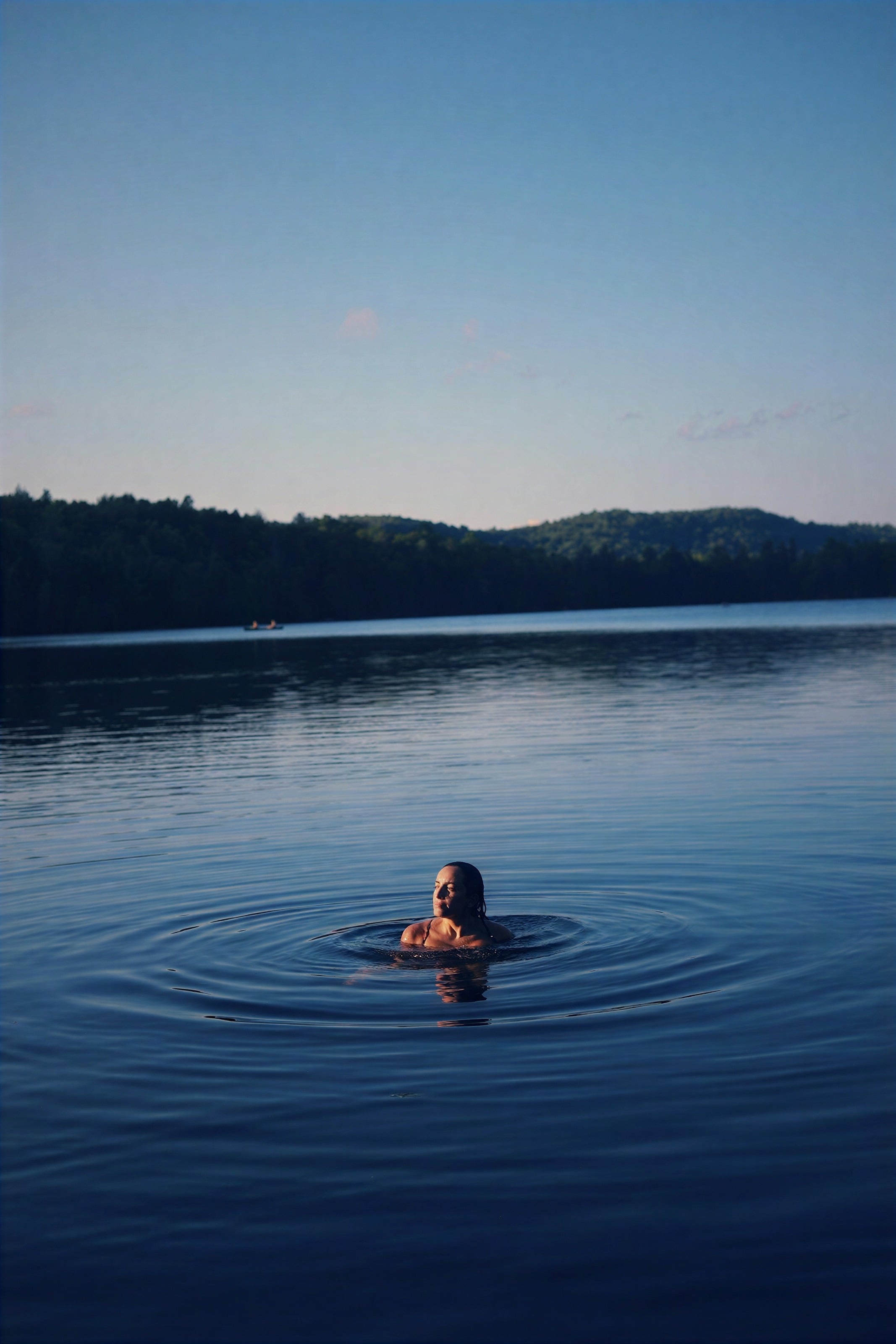
Plan one main activity a day, treat everything else as optional and protect your sleep. On a SOLARA retreat every session is optional, so the balance is yours to set. Most guests find that one or two guided sessions and a free afternoon is plenty, and that skipping a class now and then makes the rest of the week better.
Why rest matters as much as the sessions
It is easy to treat a trip like a checklist. You have paid for the week, so it feels wasteful to miss anything. But the guests who leave our retreats most rested are rarely the ones who went to every class. They are the ones who noticed when they were tired and did something about it.
I lead breathwork, yoga nidra and sound sessions, and something I often hear around the third day is that someone feels more tired than when they arrived. That is normal. Travel, a new bed, early starts and a room full of new people all take energy. The answer is usually to do less, not more.
How SOLARA retreats are structured
Our programmes follow a simple rhythm: guided practice in the morning, free time in the afternoon and something slower in the evening. The exact shape depends on the retreat.
- Coastline Flow in Portugal has a 90-minute vinyasa class at 07:30 and a 75-minute yin or restorative class at 17:30, with most afternoons free.
- Ubud Morning Practice starts at 06:30 in the open-air pavilion, keeps the afternoons free and has a whole free day in the middle of the week.
- Slow December has one optional gentle class each morning and short beach walks of 3 to 6 km. Everything else is free time.
- Lakeside Reset in Sweden has one optional movement class a day, easy forest walks of 4 to 7 km and a wood-fired sauna.
- High Trails of the Dolomites has five guided hikes of 5 to 7 hours each, with a rest day in the middle.
Every session on every retreat is optional. Some outings need transport, so they are marked on the itinerary and we ask you to book them in advance, but you can still choose not to go.
Choose one main thing each day
Look at the itinerary the evening before and pick the one thing you most want to do tomorrow. On a walking week that is the hike. On a yoga week it might be the morning class or the coastal walk, but probably not both if you are feeling flat. Let everything else be a bonus.
This also helps with the quiet guilt many guests feel when they skip something. If you have done your one thing, the rest of the day is already a good day.
Protect your sleep first
Sleep is the base everything else sits on. If you slept badly, skip the early class and stay in bed. Nobody will mind, and the teacher will not take it personally. A few habits help:
- Keep the first night simple. Arrival days end with a welcome circle or dinner, so go to bed early rather than staying up talking.
- Bring an eye mask to Sweden in summer. In June the sun barely sets, and it still stays light late in July.
- Leave your phone in your room in the evening. At Sjövik Lodge the signal by the lake is weak anyway.
- Allow for jet lag in Bali. Many guests fly in a day early so the first 06:30 class does not come straight after a long-haul flight.
What to do with free afternoons
Free time is part of the programme, not a gap in it. Some guests like a few ideas, so here is what people tend to do with an afternoon:
- Walk the Fishermen's Trail from the gate at Monte da Luz, or head to one of the nearby beaches
- Take a canoe out on the lake at Sjövik Lodge, or swim from the jetty with someone else
- Book a massage at the Rumah Tirta spa, at local rates
- Sit in the sauna and steam room at Hotel Ciasa Lärch after a hike
- Read, nap or do nothing at all
Doing nothing is a real choice. If you spend an afternoon with a book you never finish, the afternoon has done its job.
How do you know when to rest?
A few signs are worth listening to: you are dreading the next session, you feel irritable with people you liked yesterday, your legs are heavy on the first climb, or you cannot settle in a seated practice. Any of these is a good reason to take the next session off.
On a hiking week this matters for safety too. Sofia Brandt always has a shorter route ready, and taking it is a sensible decision, not a failure. Tell the guide early in the day rather than halfway up.
Slow sessions for tired days
If you want to stay with the group but have little energy, choose the gentlest option on offer. On our Bali and Portugal weeks that usually means the evening yin, restorative or yoga nidra sessions, which are done lying or sitting with plenty of support. The breath practices I teach are slow and gentle, and I do not teach intense hyperventilation techniques. You are also welcome to lie at the back of the room and simply listen.
These sessions are about rest, not treatment. If you have a health condition, a recent injury or are pregnant, tell us before the retreat so we can suggest which sessions suit you and how to adapt them.
Taking the balance home
The habit worth bringing home is not a particular class. It is the practice of choosing one thing, doing it properly and leaving room around it. Try it on your first weekend back: one plan, one long meal and an early night.
Have a question this didn't answer? Ask us or browse the FAQ.
Related retreats
Värmland Lakes, Sweden
Lakeside Reset
Rest & Reset
- Dates
- 15–19 Jul 2027
- Duration
- 4 nights
- Starting price
- From €990 per person
Costa Vicentina, Portugal
Slow December
Rest & Reset
- Dates
- 3–7 Dec 2026
- Duration
- 4 nights
- Starting price
- From €1,150 per person
More in Practice
- What to Expect from a Meditation Retreat
Shorter sits than you'd imagine, more walking, and moments of boredom that turn out to be useful.
- How to Plan a Meaningful Weekend Away
Two nights is enough to reset, if you plan it lightly.