Planning
A Guide to Planning a Nature Retreat
Route grades, kit and the questions to ask about guiding before you book a walking week.
By Sofia Brandt, , updated , 4 min read
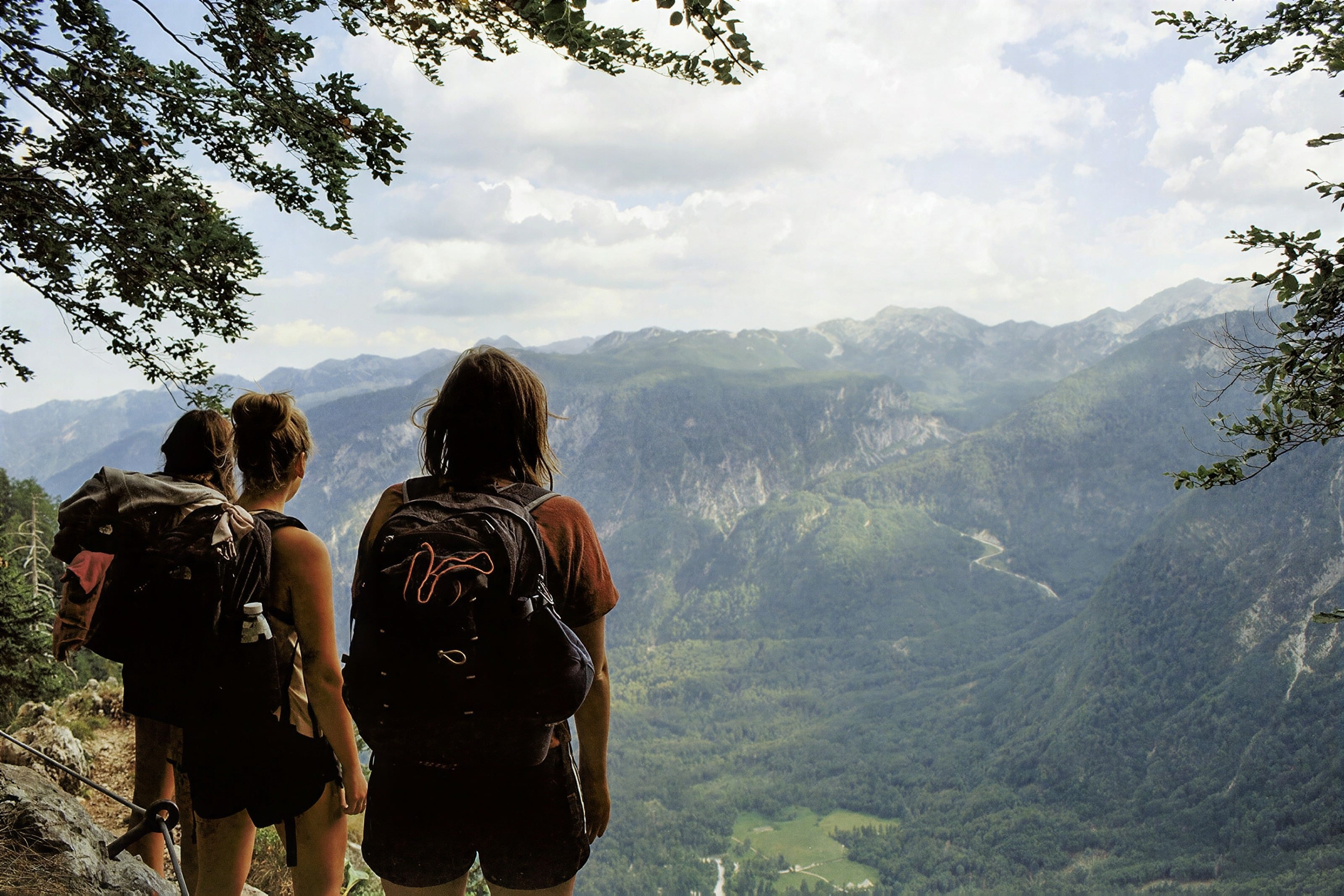
To plan a nature retreat, start with the route grades: daily distance, ascent, walking time and terrain. Compare them honestly with what you walk now, then train for consecutive days, ask how the guiding works and what happens in bad weather, and bring kit you have already tested. A good walking week publishes all of this before you book.
Read the route grades before anything else
Most walking retreats look similar in photos. The numbers are where they differ. For every day, you should be able to find the distance, the height gained, the expected walking time and a description of the ground underfoot. If a retreat does not tell you, ask before you pay a deposit.
On High Trails of the Dolomites, the week I lead each June, we publish this for every day:
- Prato Piazza plateau: 10 km and 500 m of ascent, with lunch at a hut
- Lago di Braies circuit: 12 km and 600 m, with an early start to beat the crowds
- A rest day, with an optional short valley walk
- Tre Cime circuit: 14 km and 700 m, with lunch at a hut
- Summit day: 16 km and 900 m, with a shorter 9 km option
Walking time is 5–7 hours a day including breaks, on mountain paths with some rocky and steep sections. There is no climbing, but there are exposed stretches, so the week is not right for anyone with a fear of heights on open paths.
Be honest about your fitness
The question I ask everyone who calls is simple: can you walk for six hours with 700 m of ascent, and then do it again the next day? Consecutive days are much harder than single ones. Plenty of people manage one big walk; fewer enjoy the third.
If you are not there yet, you have time. In the months before, aim for regular four- to six-hour walks that include real climbs. Walk in the boots and with the pack you will bring. If there are no hills near you, long staircases and a loaded pack help.
If you would rather walk less, choose a gentler week. Light & Land, our photography week in the same mountains, has two easy walks a day of 3–8 km on good paths.
What should you ask about guiding?
- Is the guide qualified? In the mountains, look for an International Mountain Leader or an equivalent national award. I hold the UIMLA International Mountain Leader award and am a Wilderness First Responder
- How many guests are there per guide? Our hiking groups are capped at 12
- Is there a shorter option every day?
- Who decides the route, and when?
- What happens in bad weather?
I choose each day's route the evening before, based on the forecast and how the group is feeling, and I always have a shorter option ready. If storms are likely, we switch to a lower or shorter route. Safety decisions are final, and a good guide will tell you that before the trip, not halfway up a ridge.
Plan for mountain weather
In the Dolomites we walk from late June to mid-September, when the high trails and huts are open. It is usually 18–25°C in the valley but 8–15°C on high ground, and afternoon thunderstorms are common enough that we start early on the longer days. Even in summer you will want a hat and gloves at altitude. Our September 2026 week had twelve guests, four hikes and one memorable storm, which is why I watch the forecast so closely.
Kit that matters
- Worn-in hiking boots with ankle support. New boots cause more trouble on a walking week than almost anything else
- A 25–30 litre day pack that fits well
- Waterproof jacket and trousers
- A warm layer, hat and gloves
- Sun protection
- Bottles or a bladder that hold at least 1.5 litres of water
Because you return to the same hotel each night, you only carry a day pack. Hotel Ciasa Lärch has a boot drying room and lends walking poles, so you can leave yours at home if they are awkward to fly with. Do not plan to rent boots; bring a pair you have already walked in.
Budget for the extras
Walking weeks have a few costs that are easy to miss. On High Trails they include travel insurance with mountain rescue cover, which is required, cable car tickets of around €40 for the week, drinks at the huts, and the shared transfer from Bolzano or Innsbruck at €55 each way. Lunch on the rest day is not included either.
Recovery is part of the plan
A walking week is not a race. On High Trails each evening starts with a 45-minute stretch session, then the sauna and a three-course dinner, and the middle of the week has a full rest day. Use it. Guests who rest well on the rest day walk the last two days far more happily, and they are the ones who still want to talk about the views at the farewell dinner.
Have a question this didn't answer? Ask us or browse the FAQ.
Related retreats
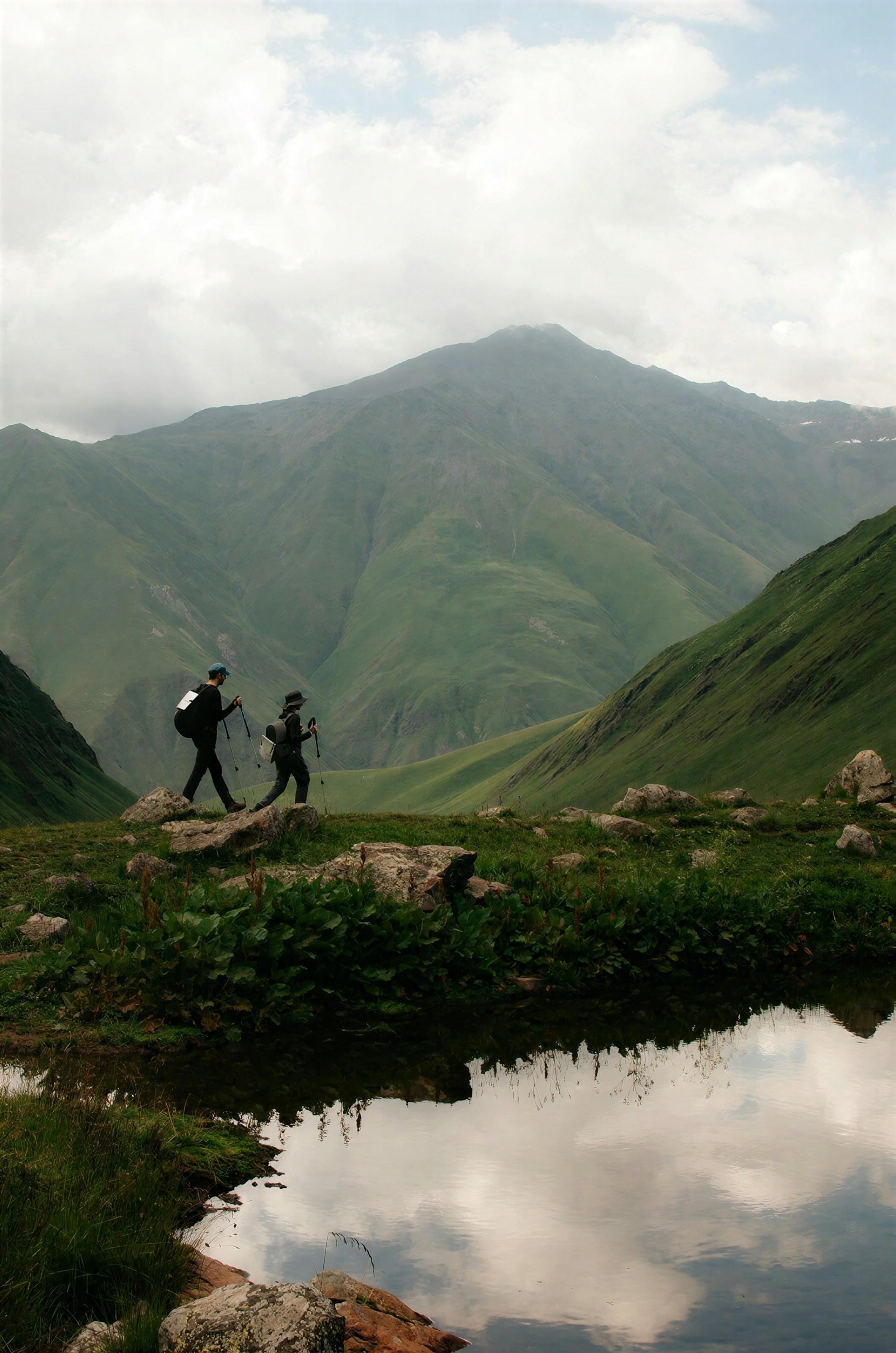
The Dolomites, Italy
High Trails of the Dolomites
Nature & Hiking
- Dates
- 24–30 Jun 2027
- Duration
- 6 nights
- Starting price
- From €2,290 per person
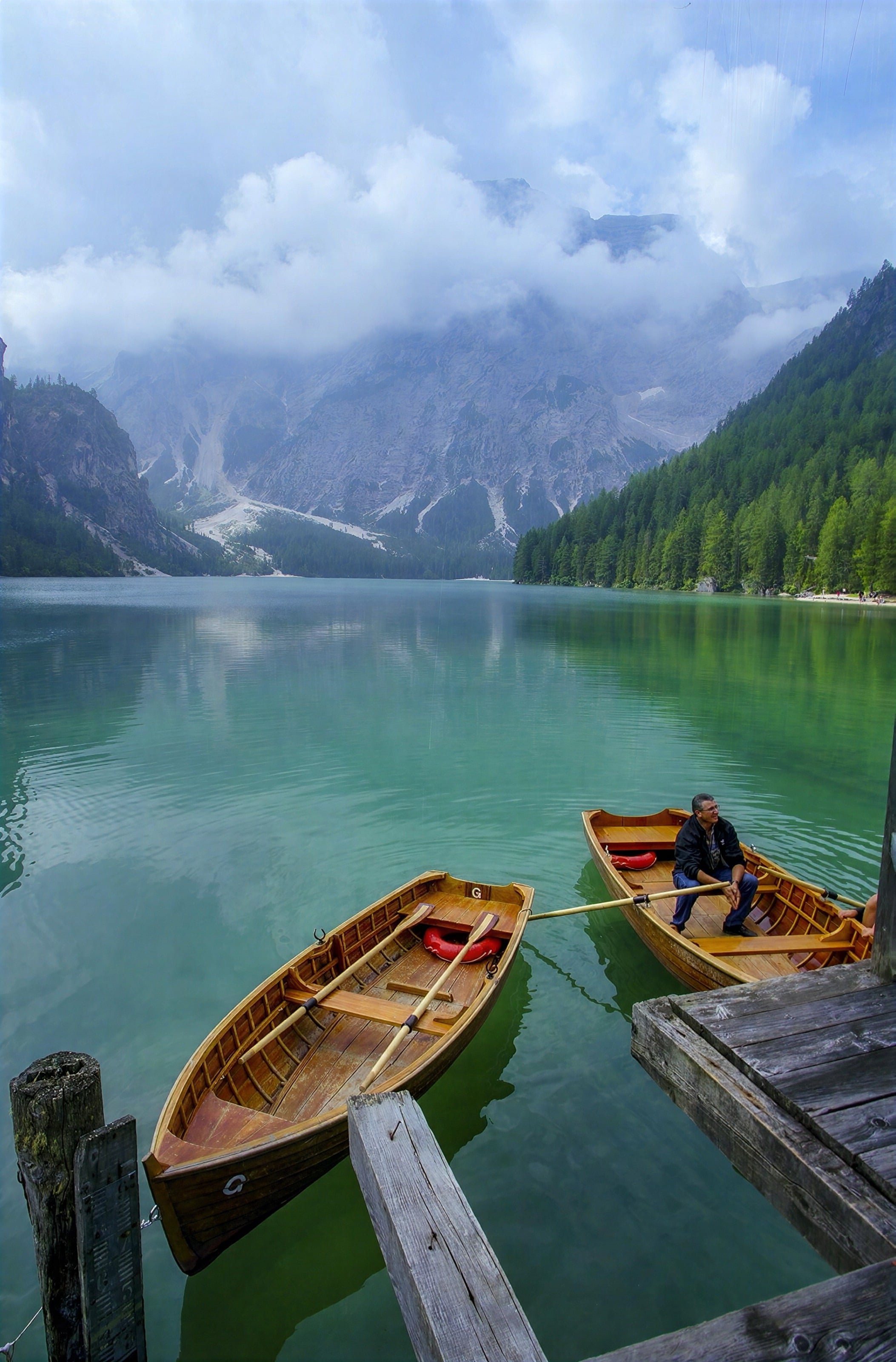
The Dolomites, Italy
Light & Land
Creative Retreats
- Dates
- 9–14 Sep 2027
- Duration
- 5 nights
- Starting price
- From €1,590 per person
More in Planning
- How to Choose the Right Wellness Retreat
Start with what you need from the week, then check the schedule, the room and the total cost — in that order.
- What to Consider When Booking a Private Group Retreat
Group size, budget and who is making decisions: sort these out before you look at venues.
- Questions to Ask Before Booking a Retreat
Twelve questions that will tell you whether a retreat is well run.