Preparation
How to Prepare for Your First Yoga Retreat
You don't need to be flexible. You do need to be honest with your teacher about injuries.
By Inês Duarte, , updated , 4 min read
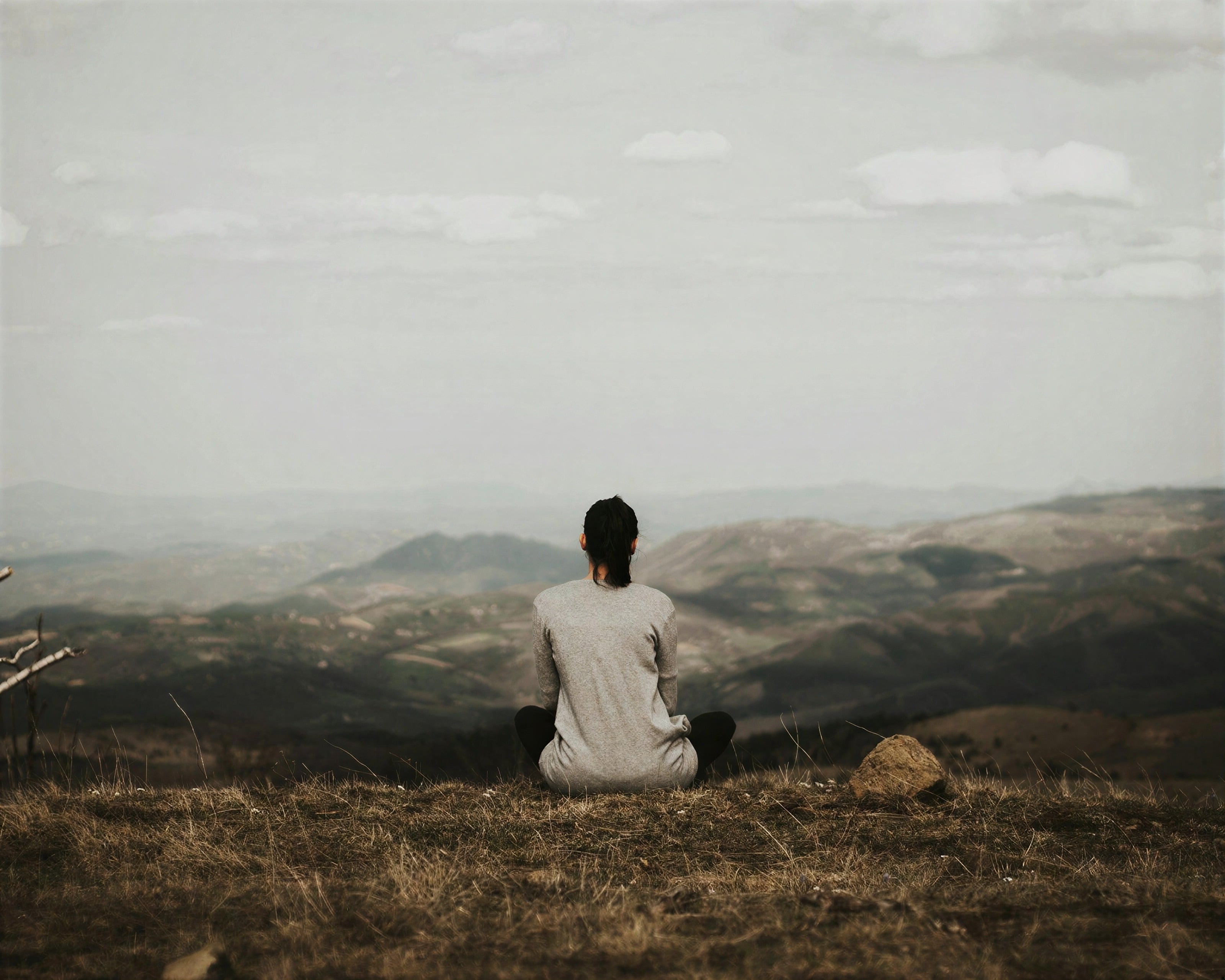
To prepare for your first yoga retreat, practise a little more often in the month before, tell your teacher about any injuries before you arrive, and plan to rest. You do not need to be flexible or advanced. If you can move comfortably through a 90-minute class, you will manage a week of two classes a day.
Who comes on a first yoga retreat?
I lead all of SOLARA's coastal yoga weeks in Portugal, and most guests on them practise once or twice a week at home. Some have only taken a handful of classes. A few have only ever followed videos in their living room. That is fine. Coastline Flow is an all-levels week, and every pose I teach has an easier and a stronger option.
I came to yoga myself after a running injury, so I know what it is like to walk into a room feeling stiff and unsure. The group is capped at 14, which means that by the second morning I know how each of you moves and what you need.
What does a day on a yoga retreat look like?
On Coastline Flow the rhythm is the same on most days:
- 07:30: vinyasa flow for 90 minutes in the covered shala
- 09:15: a long breakfast
- Afternoon: free time, or a guided walk on the coast path
- 17:30: yin or restorative class, 75 minutes
- 19:30: dinner
Across five nights that adds up to 10 yoga classes and a 90-minute mobility workshop on hips and shoulders, which is useful if you sit at a desk all week. On Ubud Morning Practice, Ketut Ariana and Amara Osei start even earlier, at 06:30, as the valley wakes up, and evenings bring yin, breathwork or yoga nidra.
How to prepare in the weeks before
If you can, take two or three classes a week for a month beforehand. They do not need to be hard classes. The aim is to get your body used to practising on consecutive days, which is the part most first-timers find tiring.
- Try at least one 90-minute class, so the length is not a surprise
- Include a slower class, such as yin or restorative, as well as a flowing one
- Walk regularly. Many retreats include walks between classes, and ours on the coast are 8–11 km on easy ground
- Notice which poses bother your knees, wrists or lower back, so you can tell your teacher
Tell your teacher about injuries and health conditions
This is the most useful thing you can do. Send us a note when you book or before you arrive, and mention it again to me on the first day. An old knee problem, a sore back, pregnancy, recent surgery or high blood pressure: I would rather know. Every pose has an alternative, and blocks, bolsters and blankets are always out in the shala.
A yoga retreat is not a substitute for medical care or physiotherapy. If you are recovering from an injury or managing a condition, check with your doctor that a week of daily practice is right for you before you book.
What should you bring for practice?
- Two or three sets of practice clothes you can move in
- A warm layer for the early class and for lying still in restorative poses
- Warm socks for the end-of-day class
- A refillable water bottle
- Walking shoes with grip, if your retreat includes coastal or hill walks
You do not need your own mat. Mats and props are provided on all our yoga weeks. Bring a travel mat only if you have one you love.
Rest is part of the practice
Two classes a day is a lot if you are not used to it. By the third day many guests feel tired in a way they did not expect. That is normal. Skip a class if you need to, stay in the restorative poses for longer, or spend the afternoon in the courtyard garden instead of on the coast path. Nobody minds, and you will usually come back to the next class stronger.
The guests who enjoy the week most are rarely the most flexible. They are the ones who listen to their bodies, ask questions and treat the free afternoons as part of the programme rather than time to fill.
Questions first-timers often ask
- Do I need to be flexible? No. Flexibility comes with practice, not before it.
- Will I be the only beginner? Almost never. Most groups are a mix of levels.
- Can I skip the morning class? Yes. Breakfast is still waiting at 09:15.
- Is the week suitable if I am new to yoga? Yes, if you are comfortable moving for 90 minutes. You can rest whenever you like.
- What if I do not like a style? Tell me. The morning and evening classes feel very different, and most people find one they look forward to.
After the retreat
On the last morning we have a short closing practice at 08:00 before breakfast. I use it to suggest a short sequence you can do at home. The aim is not to keep up two classes a day. It is to keep a little of the week going once you are back at work.
Have a question this didn't answer? Ask us or browse the FAQ.
Related retreats
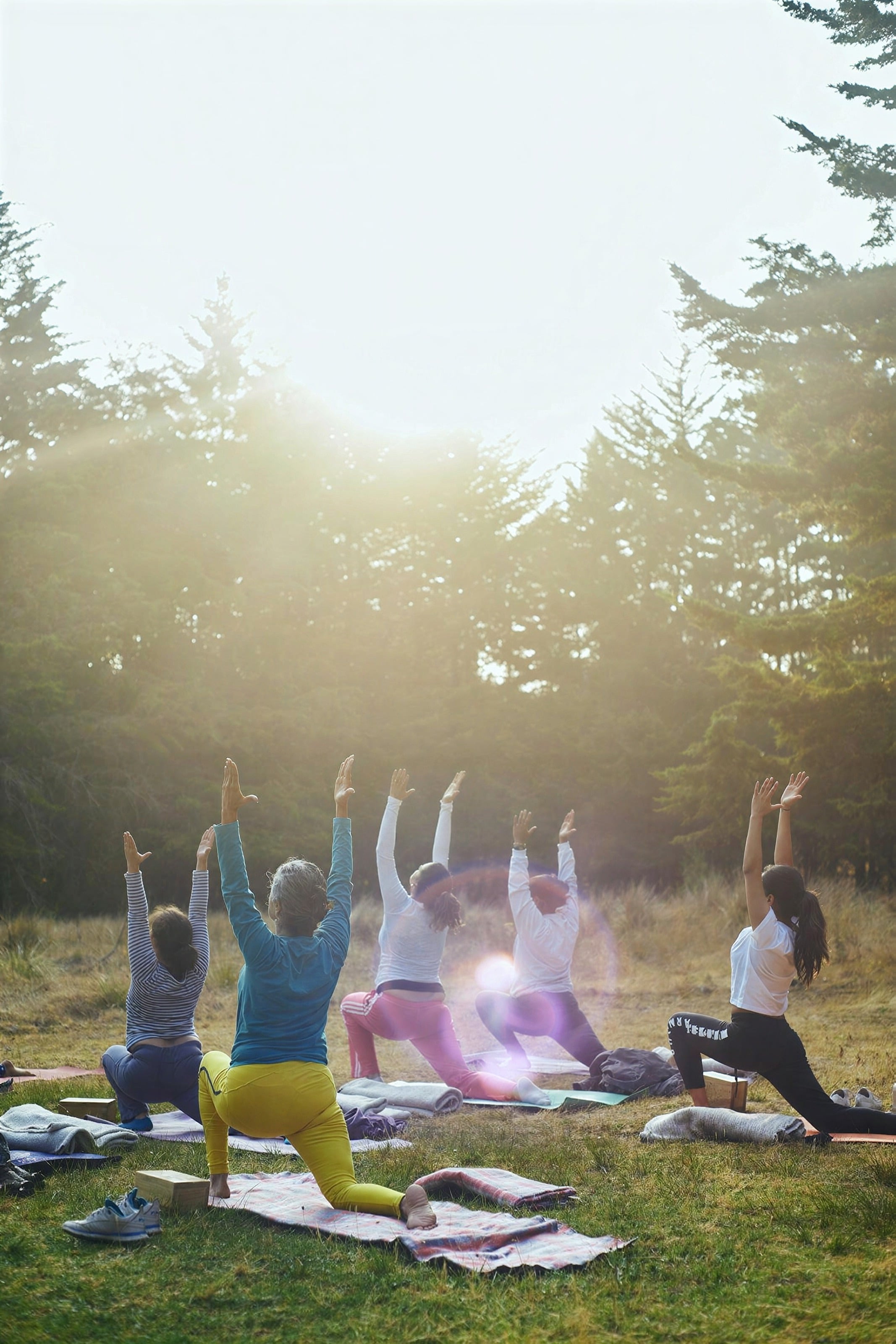
Costa Vicentina, Portugal
Coastline Flow
Yoga & Movement
- Dates
- 12–17 Nov 2026
- Duration
- 5 nights
- Starting price
- From €1,450 per person
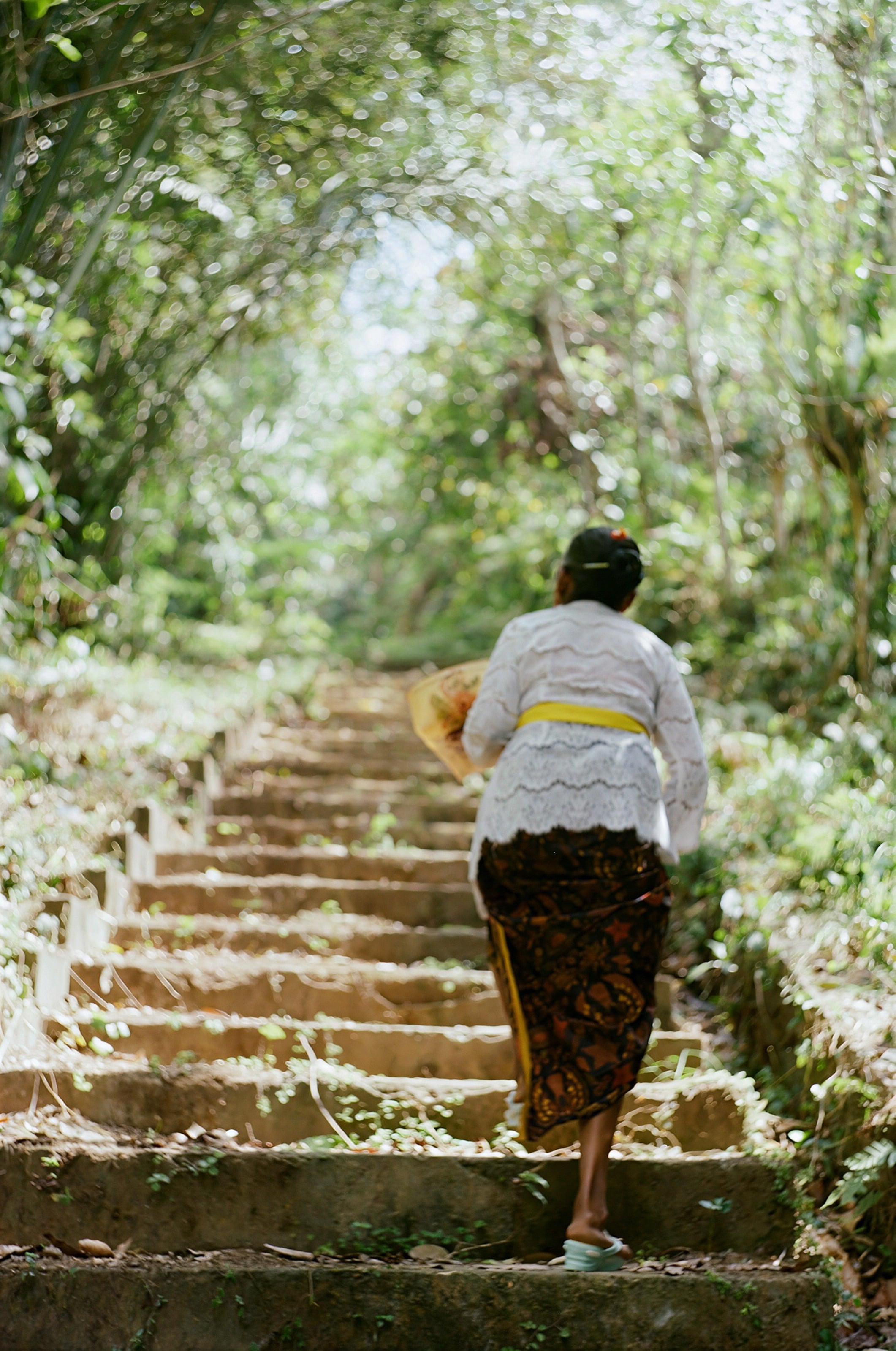
Ubud, Indonesia
Ubud Morning Practice
Yoga & Movement
- Dates
- 15–21 Apr 2027
- Duration
- 6 nights
- Starting price
- From €1,690 per person
More in Preparation
- What to Pack for a Multi-Day Retreat
A short, practical list — plus the few things guests most often wish they'd brought.
- A Practical Guide to Retreat Travel Planning
Book flights after your place is confirmed, arrive early, and buy insurance on the day you book.